


Self-check for periodontal disease
If 3 of the items below apply to you, don’t let your guard down! Work on prevention, both at home and at the dental clinic.
If 6 apply, your periodontal disease may be progressing. We recommend treatment at a dental clinic.
If all of them apply, your periodontal disease is well advanced, so see a dental clinic right away.
Your mouth feels sticky when you wake up in the morning.
Your gums bleed when you brush.
You are bothered by bad breath.
Your gums itch or hurt, or are red and swollen
It is hard to bite into hard food.
Your teeth feel like they have got longer.
Your front teeth stick out, or gaps have appeared between your teeth.
Food gets stuck between your teeth.
Could periodontal disease cause you to lose your teeth?
Periodontal disease is a bacterial infection: periodontal bacteria in plaque inflame the gums and break down the surrounding tissue. It often causes no pain or other symptoms you’d notice, so it can advance a long way before you know it. That’s why it’s called “the silent disease of the mouth.”
About 76.8% of people aged 15 and over have periodontal disease, which works out to more than 85 million people. In other words, periodontal disease is more common than you might think, affecting 2 out of every 3 people.
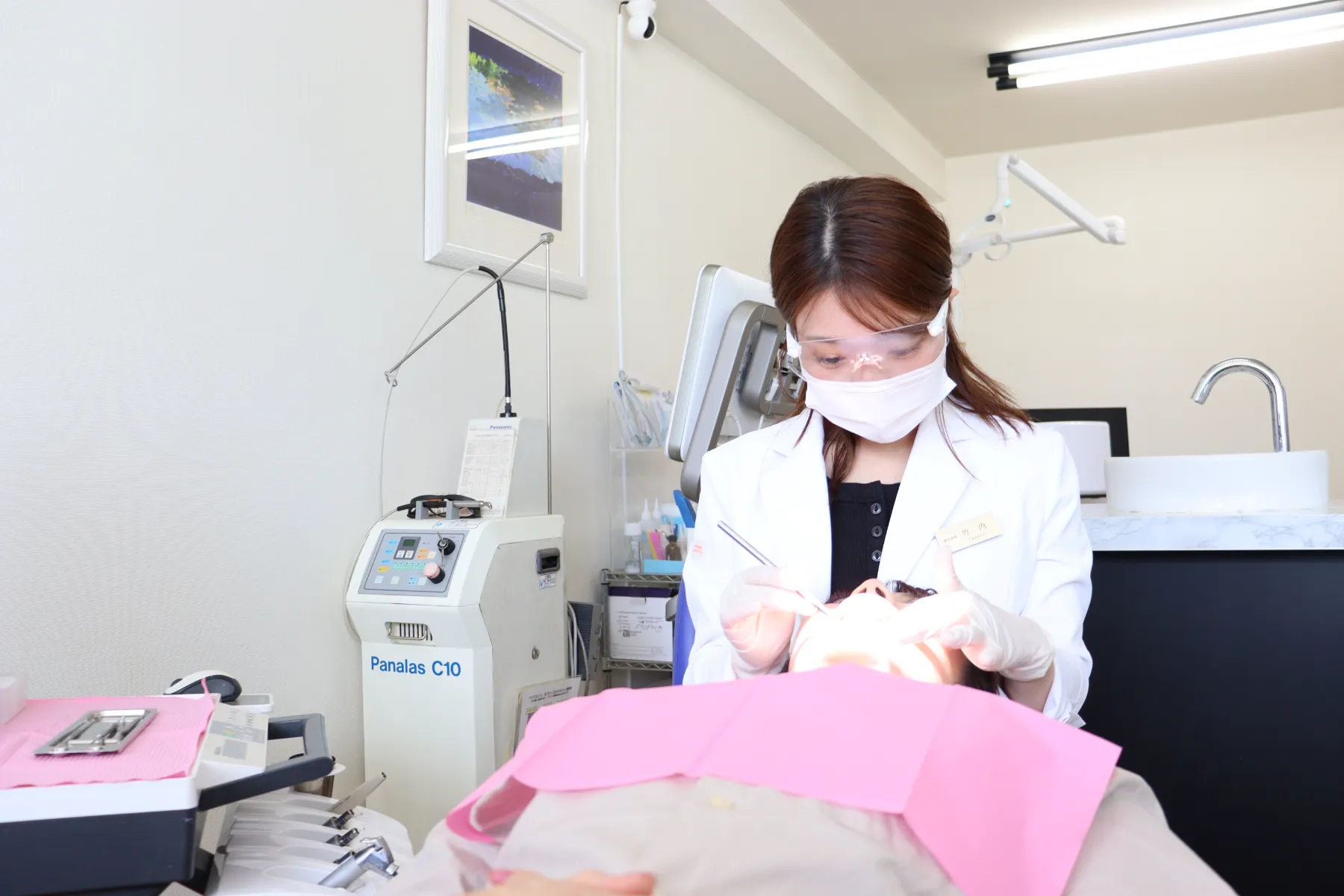
Factors that make periodontal disease progress
-
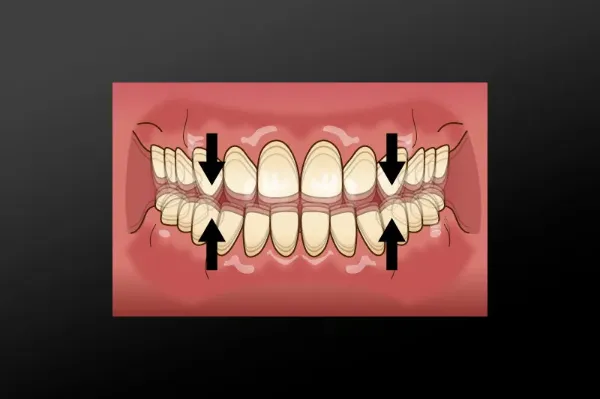
Teeth grinding, clenching and bite problems
-
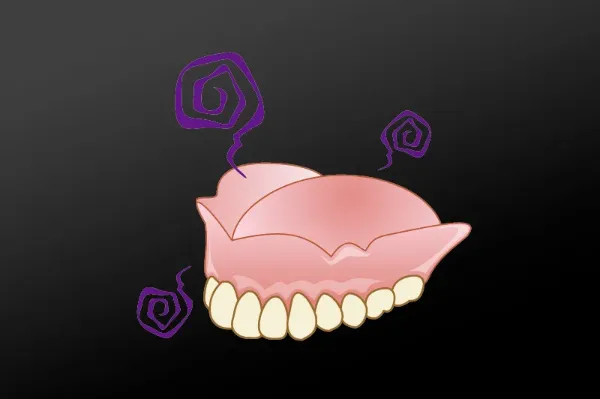
Ill-fitting crowns or dentures
-
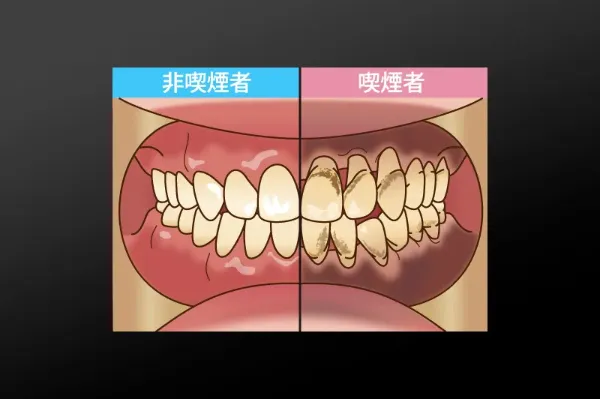
Lifestyle (smoking, irregular eating habits, etc.)
-
Stress

-
Systemic diseases (such as diabetes, osteoporosis and aspiration pneumonia)

-
Long-term medication use

How periodontal disease progresses
Mild
Periodontal pocket depth 3–5mm
Gums swell and bleed
The alveolar bone and periodontal ligament begin to break down
Moderate
Periodontal pocket depth 5–7mm
Teeth become loose
Extensive destruction of the alveolar bone
Bleeding and pus discharge
Severe
Periodontal pocket depth 7mm or more
The tooth roots become exposed
The alveolar bone is almost completely destroyed
Gums become painful and change shape
Handa dentist | 歯科ドクターHa
Specific Preventive Measures
-
Everyday care
Try to reduce the bacteria that cause periodontal disease. Regular cleaning at a dental clinic is effective in preventing it.
-
Improving your lifestyle habits
Cut back on snacking, chew slowly, avoid smoking, and brush every tooth after every meal.
-
Brushing correctly
There are many ways to brush your teeth, so ask our dental hygienist for the correct brushing technique. Alongside your toothbrush, use aids such as interdental brushes and floss to avoid missing any spots.
Handa dentist | 歯科ドクターHa
Periodontal Treatment Process
Step1.
Examination
We take X-rays, measure periodontal pocket depth, and check tooth mobility (how much the teeth move), plaque buildup and any bleeding.
Step2.
Basic periodontal treatment
This includes plaque control, scaling and root planing (SRP), bite adjustment, and redoing substandard restorations.
Step3.
Periodontal surgery
If basic treatment alone does not bring improvement, we carry out surgery to help the periodontal tissue recover.
Step4.
Reassessment
We examine you again to see how much things have improved since the first examination.
Step5.
Maintenance
Once your symptoms have improved, you move on to maintenance, where we work to prevent periodontal disease in the future.