


About pediatric dentistry
In pediatric dentistry, we keep your child’s teeth and mouth healthy with treatment suited to their needs and development. Baby teeth will be replaced, but they still get cavities, so it’s very important to get children used to the dentist before their adult teeth come in and to prevent decay with preventive care such as fluoride application. Many people who still fear or dislike the dentist as adults had bad dental experiences as young children, such as being forced or treated harshly. Because children feel pain and anxiety more strongly, our top priority in this field is to help them come to like the dentist, with a fun atmosphere and by talking with them, so that they build up experiences like “The dentist is no big deal!” and “It didn’t hurt! I did it!”
Oral care points to watch from infancy
Until about two and a half, children are in the “terrible twos,” and most of them don’t like having their teeth brushed. Try not to force a child who resists. To keep them from disliking it, let them choose a toothbrush with a favorite character or copy along with a brushing video, keep telling them why brushing matters, and give them plenty of praise when they do it. Little by little, they will learn. If your child still won’t cooperate, try again later when they’ve calmed down and are in a better mood, or keep sugary food and drinks to a minimum.
Before the first tooth appears (up to around 6 months)
This is the stage before brushing begins. Gently wipe the gums with gauze or a cotton swab so your child gets used to having the inside of the mouth touched.
Around when the lower teeth appear (about 6 months)
Once the lower front teeth come in, it’s time to start brushing. With only one or two teeth, there’s no need to get them spotless right away. Build up the habit gradually so your child doesn’t come to resist it.
Fully on solid food, molars in (around age 1)
Food debris collects easily between teeth and in the grooves of the molars, so this is the stage to get your child used to thorough brushing.
Follow-up brushing (up to about age 10)
Even once children can brush by themselves, they still tend to miss spots at this stage. Start with quick, gentle follow-up brushing, then move to brushing tooth by tooth with care as they get used to it. Once they start primary school and brush on their own, baby teeth and adult teeth growing in together make brushing harder and spots easier to miss. Please keep up follow-up brushing so those precious adult teeth don’t start decaying from this stage.
About preventing tooth decay
Preventing tooth decay in children takes this kind of effort from parents.
-
Building a brushing habit
Some children only start brushing properly after using plaque-disclosing dye themselves at school. That shows how important it is for children themselves to want to brush well. It’s also very important to focus on the spots most prone to decay, such as the molars and between the teeth.
-
Cutting back on sugar and snacks
Letting a child eat sweets without limit leads to tooth decay quickly. Precisely because children love sweet things, it matters to steer them away from chocolate, juice and other decay-prone treats and towards lower-sugar snacks and drinks instead.
-
Avoiding infection with decay-causing bacteria
A baby’s mouth has no decay-causing bacteria, so where do they come from? They’re passed on by the adults around the child. The age at which a child is infected is known to have a major effect on how prone to decay they will be later (children infected before age 2 have about 16 times the risk of tooth decay of children infected after age 2). That’s why the adults around a child should keep their own mouths healthy and avoid things that can spread the bacteria, such as passing food from their mouth to the child’s and sharing utensils.
-
Understanding how fragile baby teeth are
Do you assume baby teeth decay at the same rate as adult teeth? Baby teeth have thin, soft enamel, so they are more vulnerable to the acid from decay-causing bacteria, and decay progresses faster. Brushing matters, but to protect these weak teeth, it’s also very important to get your child used to the dentist and come in for regular visits, for fluoride application and for sealants that keep food from collecting in the grooves.
About orthodontic treatment
Children’s teeth generally fall into two groups: those that will straighten out naturally as the jaw develops, needing no orthodontic treatment, and those that won’t settle into the right position on their own and are better treated with orthodontics. For the second group, guiding the jaw to develop in the right direction lays the groundwork for the adult teeth that come in later to line up well. Because orthodontic treatment works more easily while the jaw is still developing than once it’s fully grown, as in an adult, please talk to a specialist early if you’re unsure which group your child falls into!
Want to know more?
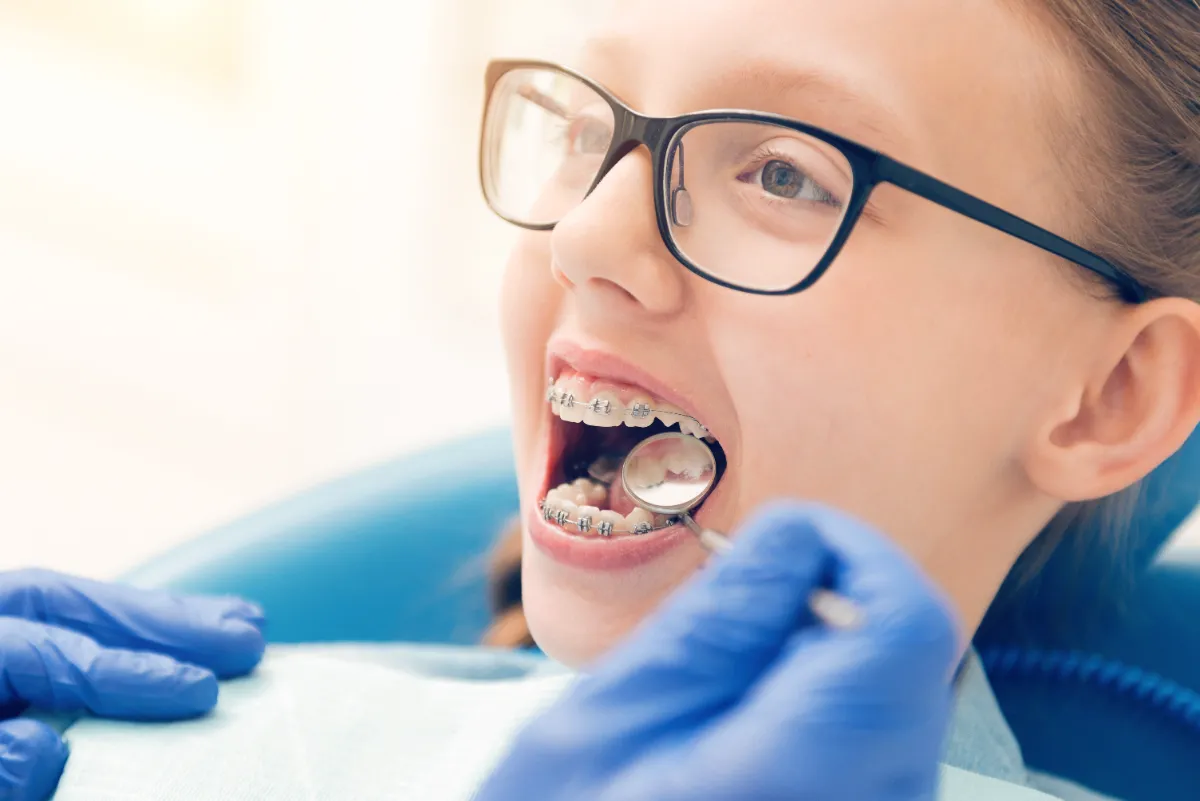
About treating tooth decay in children
Treatment itself is much the same as for adults. The main difference is that children often struggle to cooperate, such as sitting still or opening their mouth, and this isn’t unusual.
We focus on friendly communication with these children so they gradually get used to seeing a dentist and can go through treatment. Even for children who are frightened of the dentist because of being forced through treatment before, we’ve heard feedback we’re grateful for: “I can finally keep coming here” and “I can do this now.”
Handa dentist | 歯科ドクターHa
Features of Our Pediatric Dentistry
-
Play room (main clinic)
Being able to keep coming in from an early age without it feeling like a burden means more and more children stop resisting the dentist. Some even say they want to come because the play room is fun — something parents bringing their children in for treatment often tell us they appreciate.
-
Extensive pediatric experience
Our experienced staff treat many children every day. Beyond putting them at ease, they work hard to give children a sense of achievement, so they come away thinking “I want to come back!”
-
A small reward
Our front-desk staff tell children “well done” and give them a small reward. Parents, please praise your child too!
-
Glad they came to Hamille
Children are more sensitive than adults, and we want them to feel glad they came. We don’t force them, we pay attention to how they feel, we give thorough, careful explanations, and we speak in a cheerful tone. These are basics, but we keep working to remain a dental office that even people with dental phobia can visit.
Cost and insurance for pediatric dental treatment
Treatment is basically the same as for adults, depending on the treatment and its content. Cavity treatment, regular check-ups and the like are covered by insurance, while orthodontics and the like are paid out of pocket.
Medical expense subsidies vary by municipality. With a child medical expense recipient certificate, in Handa City there is no out-of-pocket cost for insurance-covered treatment from age 0 until the end of the fiscal year in which the child turns 18. *Treatment not covered by insurance is paid out of pocket.
Pediatric dentistry FAQ
- QWhen should we start brushing?
- AStart brushing practice at around 6 months, when the baby teeth begin to come in. Little by little, get your child used to two things: ① having the inside of their mouth touched and ② the toothbrush. Build the brushing habit so that they can brush properly by the time they have fully switched to solid food or their molars have come in.
- QHow many times a day is ideal for brushing?
- AAfter every meal is ideal, but that’s hard to manage at first. Start by getting your child used to brushing just before bed, then move to twice a day, morning and night, and work up to brushing after every meal. Children resist brushing until about two and a half, so there’s no need to worry about brushing after every meal. Brushing in the morning and at night is fine for now. Brush for them when they’re in a calm mood, or while distracting them with a video, without forcing them.
- QWhat’s the right way to brush?
- A① Lay your child down with their head on your lap. ② Hold the toothbrush like a pen and use your other hand to lift the lip a little. ③ Brush the teeth gently, back and forth and side to side, with the tip of the brush.
- QWhich spots are most prone to tooth decay?
- AThe gaps between the teeth and the grooves of the molars are especially prone to decay, so brush them with extra care.
- QUntil what age should we keep brushing after our child?
- AIf you let your guard down once your child can brush on their own, you may find they weren’t brushing well and regret it. Keep brushing after your child as much as you can until about age 10.
- QMy child dislikes brushing. What should I do?
- AMost children dislike brushing until about two and a half. Building the habit of brushing after every meal is important, but it’s more important not to scold or force them, so that they don’t come to hate brushing. Some missed spots are unavoidable anyway. Little by little, children learn to brush when you let them choose a toothbrush with a favorite character or put stickers on it, show them brushing videos, let them sing while they brush, tell them why brushing matters, and praise them when they do it.
- QDoes giving too much breast milk cause tooth decay?
- AGiving too much breast milk doesn’t cause tooth decay, but food debris or breast milk left in the mouth for a long time raises the risk. If your child can’t fall asleep without breast milk, the risk is higher, so it helps to let them be as active as possible during the day so they get tired and can fall asleep without it. If you’re concerned, fluoride application is an important way to prevent decay, so please come in and see us.
- QMy child has a lot of gaps between their teeth. Should they have orthodontic treatment?
- AGaps form between baby teeth as the jaw grows, so this is normal. They may become noticeable from about two and a half to five years old, but these gaps are very important for making room for the adult teeth coming in underneath, so orthodontic treatment isn’t needed. If there is a risk that, depending on how the jaw grows, the adult teeth won’t come into the right position on their own, orthodontic treatment is needed. If you are concerned, please talk to us first.
- QWe were told my child needs the nerve removed. Will the adult tooth be all right?
- ABaby teeth and adult teeth are two separate teeth, so removing the nerve of a baby tooth has no effect on the adult tooth and causes no problem. When decay-causing bacteria reach the nerve, it causes considerable throbbing pain or swelling, so the nerve needs to be removed and the tooth cleaned.
- QBaby teeth fall out anyway, so isn’t it all right for them to decay?
- AEven with baby teeth, once decay-causing bacteria reach the nerve, the pain is severe, and in some cases the tooth has to be extracted. Baby teeth have the same role as adult teeth: chewing. Chewing helps stimulate the brain and develop the jaw, and is also very important for well-aligned teeth and the shape of the face. It’s also essential for getting the nutrition children need to grow. If decay keeps baby teeth from doing these jobs, the teeth can become misaligned, adult teeth can become discolored, and adult teeth can form incompletely and come in dented or chipped. On top of that, the risk of decay in newly erupted adult teeth rises sharply. So it’s better not to let baby teeth decay.