


Frightened, anxious, fed up
We understand, let’s talk
Our oral surgery service is best known for wisdom tooth extraction and the removal of teeth impacted beneath the gum.
We follow three principles — no pain, no drilling and no extraction — and do not treat beyond what is needed. The same goes for wisdom teeth: we do not remove them as a matter of course, but examine each patient’s mouth first and then decide whether extraction is needed.
Extract, or not
-
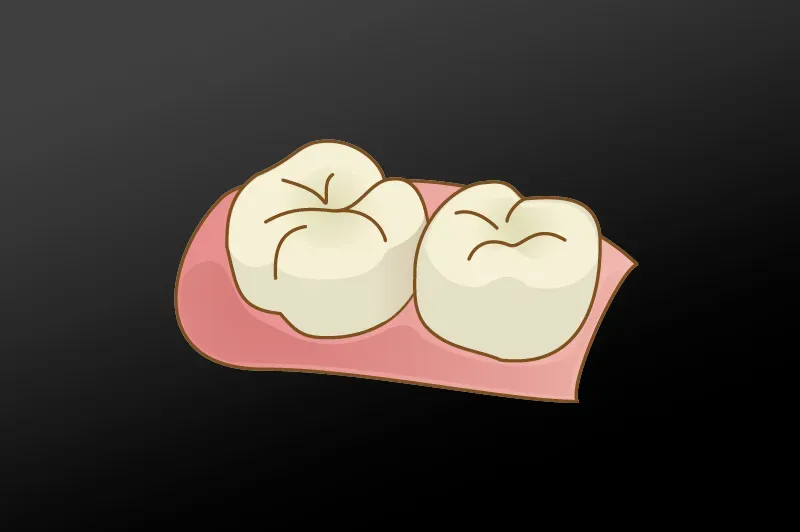
When there’s no pain or swelling, and you can keep it clean
If a wisdom tooth is growing straight and you can keep it clean day to day, it does not necessarily need to be removed.
-
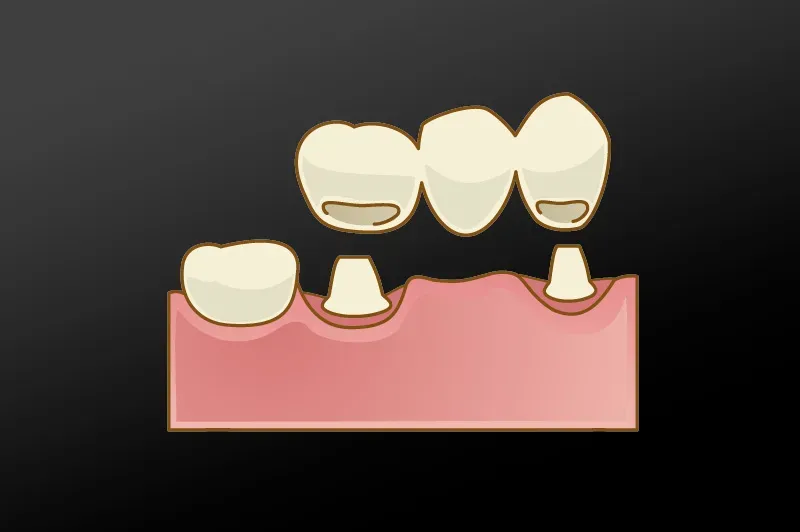
When it could serve as a future abutment tooth
A wisdom tooth can sometimes be used to support a bridge. If it is removed, a bridge is no longer possible, leaving a choice between dentures and a dental implant — so we may keep it as an option.
-
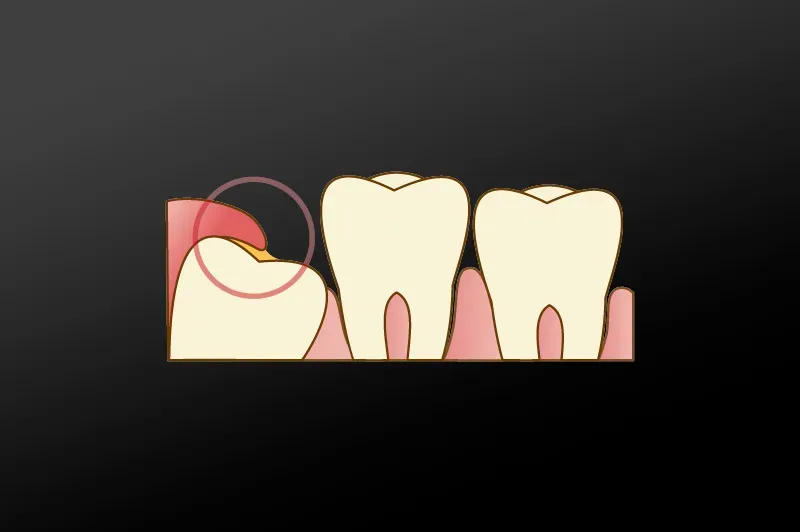
When the gum keeps swelling and settling over a short period
If the gum swells and settles repeatedly within 1 to 3 months, leaving it untreated can let the inflammation get worse.
-
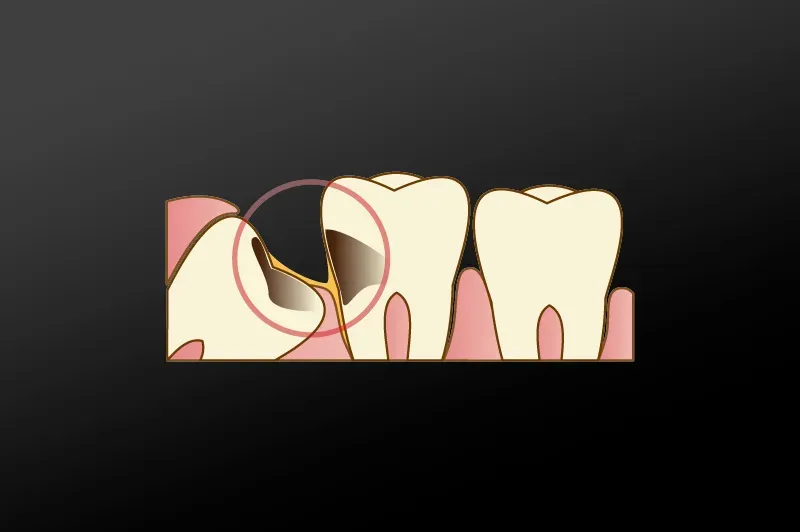
When food keeps getting trapped between the wisdom tooth and the tooth in front
We may remove the wisdom tooth to prevent decay in the tooth in front of it.
-
When there isn’t enough room for the wisdom tooth to erupt
and it would misalign your teethWe may remove it to keep your teeth aligned.
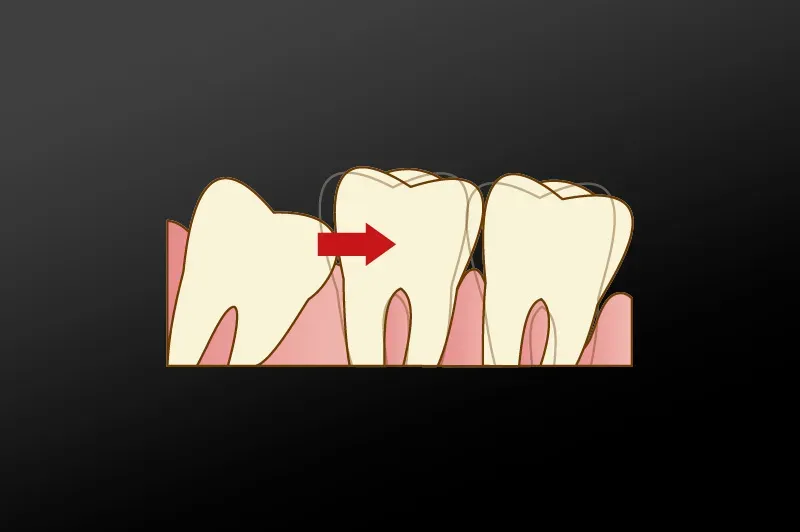
-
When there’s no opposing tooth to bite against
Without an opposing tooth, it can bite into the gum behind the back teeth and cause inflammation, so we may remove it.

What happens if you leave a swollen wisdom tooth untreated
If a swollen wisdom tooth is left alone, the inflammation can become severe. This severe stage is called “cellulitis,” and if the inflammation spreads below the jaw, swelling in the neck can lead to difficulty breathing.
Gums also tend to swell when you are unwell or your immunity is low, so keeping yourself in good health is part of caring for your mouth.
*Our clinic has CT imaging equipment, so we can extract teeth based on an accurate diagnosis. CT images show us in advance where an upper wisdom tooth sits relative to the maxillary sinus and how far a lower wisdom tooth is from the inferior alveolar nerve, which can reduce the risk of perforating the maxillary sinus (being unable to puff out your cheeks, or water leaking from the nose) and of nerve paralysis.